Featured
Table of Contents
Among the important things the group members located valuable, she remembers, was constructing communication and boundary-setting abilities that they can make use of with their household participants. The group yapped concerning just how to continue to be calm, handle their body movement and keep a problem-solving (rather than criticizing) emphasis when having "brave discussions" with family members concerning behaviors and patterns that had actually been embraced due to generational injury, she says.
This client's need not to pass on her trauma responses to her kids, in addition to her stress and anxiety about being inadequate and abusive, is what led her to look for therapy, Guyton adds. When the client began to discover her family history, consisting of the stress her granny encountered as she emigrated from her Caribbean homeland to the United States, she recognized "I need to speak to her," Guyton remembers.
Guyton after that triggered the customer to speak to her grandmother and share just how she was really feeling. The client responded by stating, "I see you, Grandmother.
Given that we have some differences in our identities, what obstacles might we have in collaborating?" Goodman prompts therapists to broach this subject not just at the beginning of counseling collaborate with a customer yet additionally with regular check-ins throughout the partnership. "We [counselors] each have to figure out for ourselves language that is real for us" to promote these discussions, she says.
Developing an Bicultural Identity
"Privileged groups can still have generational trauma, despite the fact that it's not spoken about as much," she states. "Anyone who has actually experienced trauma can pass it down. Do not make presumptions. This affects all of us in some method, form or type." In her publication Everything about Love: New Visions, the late bell hooks created, "Seldom, if ever before, are any of us recovered alone.
The reality is that customers do not live in a vacuum; they can pursue healing separately in counseling however will eventually return to live within their culture and family members system, she notes."Generational injury is just that a private whose trauma is bolstered within family and culture," Petion includes. So, with this customer populace, professionals should "think beyond the specific resting in front people" in counseling, she stresses, and concentrate on just how they are healing in link to their family members and community.

At the very same time, therapists should keep in mind that it might not be the customer's function to "deal with" or heal their family or community, Mike cautions. "They may require to make peace with healing themselves without handling entire systems," he states. Generational trauma "can be an organic thing, a psychological point, a social point.
Opinions expressed and statements made in posts showing up in Counseling Today do not necessarily represent the opinions of the editors or plans of the American Counseling Organization.
Recognizing Your Cross-Cultural Experience
It can feel both beating and verifying to find that the principle of generational injury resonates with you. On one hand, it can be reassuring to know that you're not "crazy" or alone in this experience. On the various other hand, you could not understand how to progress with this information.
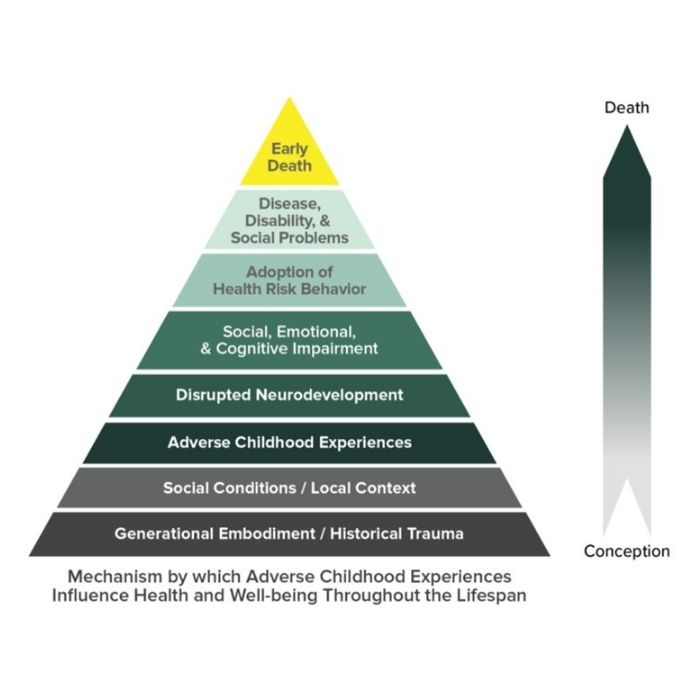
There are loads of wonderful resources available, including video clips, social media posts, and podcasts. Beyond online web content, I also motivate you to explore some generational injury books. It can be exceptionally confirming to learn through people with comparable experiences, consisting of researchers with a deep understanding of these dynamics.
Session length is identified on the specific client needs. AEDP is normally supplied in outpatient therapy centers or exclusive method settings.
Singular or routine pairs therapy sessions can be integrated as needed to support the primary client. Treatment has a tendency to be long-term, with therapy period generally exceeding one year. IFS is a healing technique which watches the inner system as having subparts or subpersonalities, each with distinct systems of being internally organized to finest serve the setting an individual is in.
Moving From Chronic Stress to Regulation
This self includes a person's toughness and skills which naturally guides a person to a healthy and balanced life or healing. IFS' goal is to attain equilibrium within the interior system by: distinguishing the self from various other subparts, allowing the self to lead with subparts sustain, andallowing all subparts to exist with participating, non-extreme purpose.
Due to its personalized nature, size of treatment depends on the needs of the customer(s). IFS is usually facilitated in an outpatient setting. Recognizing the details obstacles experienced by adult survivors of complicated trauma, STAIR/MPE is a two-phase therapeutic intervention concentrated on skill building and exposure-based therapy in the context of an understanding and reliable partnership.
Moving From Survival Mode to Regulation
Customers are supplied with ability training to: improve regulation abilities, improve distress resistance, andexplore new approaches of engaging with and associating with others, setting the foundation for the 2nd stage of therapy. Stage 2 sustains customers in additional processing with stressful circumstances utilizing a changed variation of prolonged direct exposure. Through, clients are revealed to trauma-related memories to: rise understanding of the customer's affective and emotional experience, practice regulation abilities, andprocess through tough styles such as being rejected, shame, loss, and dishonesty.
These experiences can leave long lasting signs well after the event is over. When it comes to developing injury, injury which is usually relational and repetitive overtime, a person may not understand just how their previous experiences can be linked to a range of signs and symptoms. Problems with link to others, a general feeling of stress and anxiety or fear, an overall numbness or feeling of not being fully alive are several of the factors to explore trauma therapy.

Latest Posts
The Recovery Process for Accomplished Professionals in Narrative Therapy
Auburn Therapeutic Retreat: Your Journey to Healing
Resolving PTSD using Research-Backed Therapy