Featured
Table of Contents
Having medical depression is various than just feeling unfortunate. To be detected with depression, symptoms have to be existing for 2 weeks or even more.

From individual to individual the extent and frequency of symptoms will differ, and while some individuals only experience a few signs, others experience many. Consistent depressing, nervous, or "vacant" mood Really feeling hopeless Really feeling pointless Angry outbursts, irritation, or aggravation Loss of passion or enjoyment in pastimes and tasks Believing nothing deserves attempting Believing about fatality, or that life is not worth living Absence of energy Moving or talking slower than usual Problem with focus, emphasis, memory, and choice making Really feeling restless or having difficulty resting still Hunger or weight changes Problem resting, early-morning awakening, or resting a lot more or a lot less than typical Pains or pains, headaches, aches, or gastrointestinal troubles without a clear physical cause Although anxiety is just one of one of the most common mental disorders in the US, there is no exact known reason for clinical depression.
How Couples Counseling Works Can Heal Trust Issues and Trauma Using Evidence-Based Methods
Risk aspects for clinical depression consist of: Acquired characteristics, personal or family history of anxiety Environmental variables, like significant life modifications, injury, or anxiety Emotional factors Specific physical illnesses and drugs Biological differences, mind chemistry, or hormonal agents One of the most effective treatment for depression is drug and psychiatric therapy. The earlier that depression is treated, the simpler it is to treat.
Talking with a psychoanalyst, psycho therapist or various other mental health and wellness expert, can be extremely valuable for people with clinical depression. Medicines to deal with clinical depression are called antidepressants. There are many sort of antidepressants that do different points in the mind, like boost how the mind makes use of particular chemicals, or maintain your mood.
How Medication Management Enhances Treatment for Depression
Some examples of antidepressants are: Discerning serotonin reuptake preventions (SSRIs) Serotonin-norepinephrine reuptake preventions (SNRIs) Irregular antidepressants Tricyclic antidepressants Monoamine oxidase inhibitors (MAOIs) Yes, you can have stress and anxiety and depression at the exact same time. They are two different and distinctive psychological health and wellness concerns, they frequently happen simultaneously. In some cases, a person can have both a stress and anxiety disorder and a significant depressive problem.
In various other cases, clinical depression may trigger anxiety. They are 2 interrelated state of mind conditions, and frequently there is some degree of overlap. Yes, there is a difference in between anxiousness and clinical depression drug. There are anti-anxiety medicines especially for treating anxiety symptoms, and antidepressants particularly for treating clinical depression symptoms. One sort of drug that has actually revealed to be reliable in dealing with anxiety and anxiety are selective serotonin reuptake preventions (SSRIs).
Recognizing Attachment Styles Affects Anxiety
Various other medicines that could deal with anxiety and clinical depression include tricyclic antidepressants (TCAs), selective norepinephrine reuptake preventions (SNRIs), and anti-anxiety drugs. Treatment can be a valuable device for people with anxiety and anxiety. Cognitive behavior therapy (CBT), has shown to be one of the most reliable sorts of therapy. For both anxiety and clinical depression, CBT includes talking through habits patterns, and assists to educate people with these mental diseases just how to manage signs.
For clinical depression, it can aid you experience positive emotions. The bulk of treating stress and anxiety and anxiety with therapy is overlapping. Utilizing evidence-based strategies particular to the treatment of state of mind conditions, like CBT, and continually speaking to a therapist will certainly assist those with anxiousness, anxiety, or both, make visible renovations. Yes, you can get treatment for anxiousness and depression online.
Self-Kindness for Relational Life Therapy in San Francisco
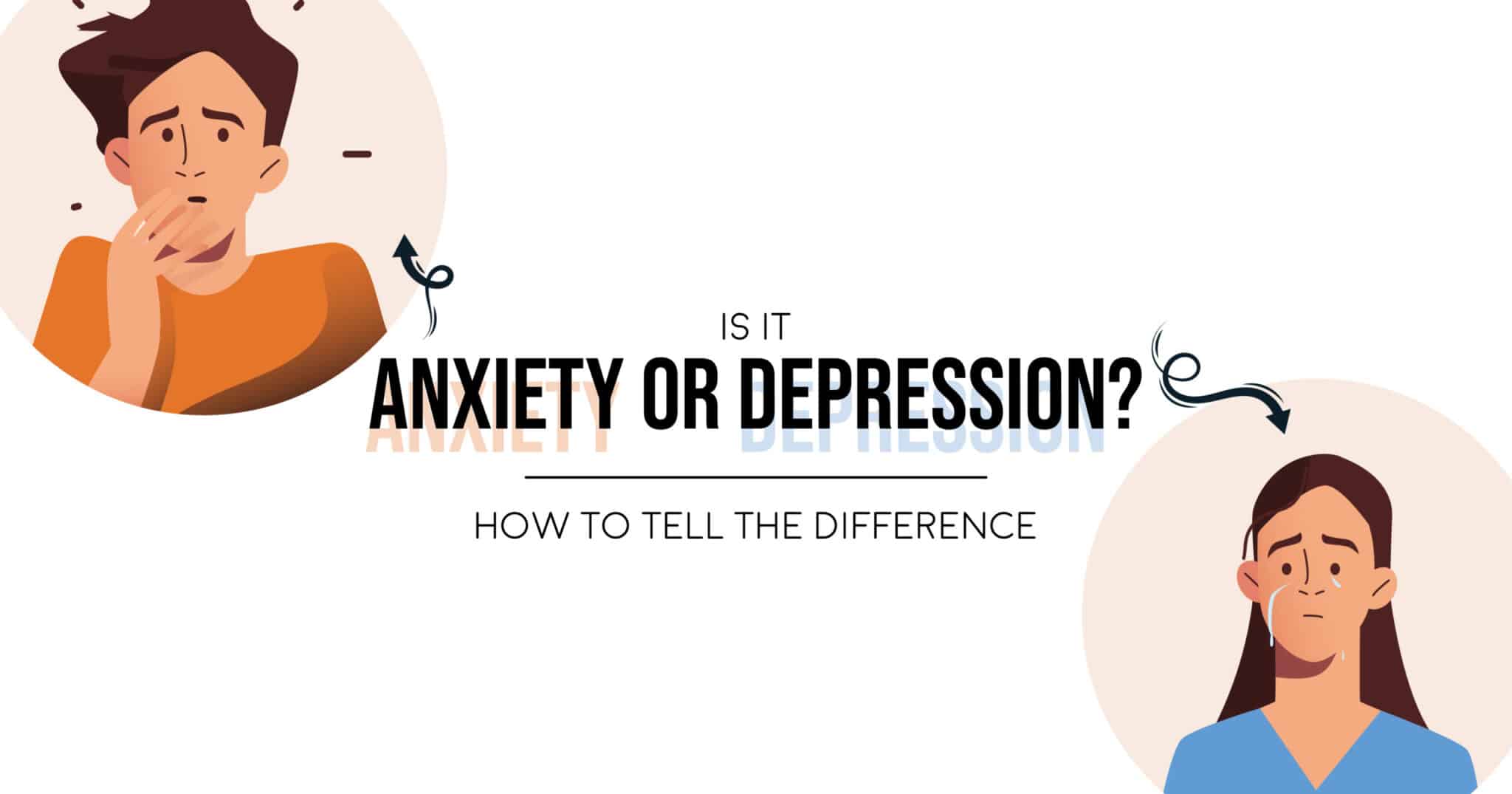
Mental health is made complex. While specialists have actually produced particular diagnoses for different sorts of problems, the fact is that lots of problems have a lot of overlap, which can make it relatively hard to differentiate between two different issues. One of one of the most usual concerns that people have is trying to tell the distinction between anxiousness and depression.
While it would be wonderful if there were a fool-proof way of informing you whether you have anxiousness or clinical depression, it's not quite that straightforward. A single person can conveniently have both anxiety and clinical depression, and some people might have developed anxiety signs and symptoms as a result of their anxiousness condition. It's a bit harder than claiming "you have anxiousness" or "you have depression" due to the fact that it's feasible to have combinations of both.
Signs and symptoms of one or the various other might bleed into whichever disorder you have, since both share comparable causes, problems, etc. The most effective way to recognize the distinction in between both problems is with the main signs and symptoms, starting with the psychological symptoms. Stress and anxiety: Apprehension over what will take place and what might take place in the future.
Evaluating a Qualified Therapist for Your Specific Situation
Feeling like you need to run away or stay clear of things that can create more anxiety. Clinical depression: Feeling of despair concerning the future, as though it's helpless. Apathy, and an absence of idea that positive points will occur. Little fear, yet rather a certainty of future negative emotions. Possible self-destructive thoughts.
Those with depression frequently presume a negative future and do not expect anything else or believe there's anything worth stopping. Clinical depression can take place after someone experiences anxiousness, since somebody that manages severe stress and anxiety may wind up really feeling drained pipes and hopeless as soon as their anxiousness or anxiousness assault is over. That's why both problems can be difficult to distinguish.
Both anxiety and depression can leave you feeling drained pipes and fatigued. In the case of anxiety, it tends to happen after extreme stress and anxiety, while with depression it has a tendency to be extra continuous, without necessarily any type of triggers.
Physical signs and symptoms that resemble health disorders, particularly if accompanied with health fears. Rapid heart price, digestive tract concerns, hyperventilation, and other "energy" creating signs. Anxiety: Severe lack of power or drive. Level affect (complete absence of emotion) together with slowed down thinking and behaviors. Severe appetite adjustments, migraines, and sleep issues. Anxiety in fact tends to have less physical signs, but the psychological symptoms can be so hazardous (specifically the capacity for self-destructive thoughts) and the absence of energy so articulated that numerous people with clinical depression manage extreme struggles daily that definitely competing the signs of anxiety.

Table of Contents
Latest Posts
Support helping Caregivers Supporting Someone with Anxiety
Recognizing Intergenerational Injury: A Path to Healing With Somatic Treatment and EMDR
The Difference Between Controlled Eating and Eating Disorders Addressed Through Trauma-Informed Therapy
More
Latest Posts
Support helping Caregivers Supporting Someone with Anxiety
Recognizing Intergenerational Injury: A Path to Healing With Somatic Treatment and EMDR
The Difference Between Controlled Eating and Eating Disorders Addressed Through Trauma-Informed Therapy