Featured
Table of Contents
- – The Hidden Weight of Inherited Discomfort
- – Why Conventional Talk Therapy In Some Cases Fa...
- – Somatic Treatment: Reconnecting Body And Mind
- – EMDR: Reprocessing Injury at the Resource
- – The Perfectionism-Burnout Cycle
- – Partnership Conflicts as Injury Reenactment
- – Finding Culturally-Informed Assistance
- – Beginning Your Recovery Trip
Intergenerational trauma does not announce itself with fanfare. It turns up in the perfectionism that keeps you working late right into the evening, the fatigue that really feels impossible to tremble, and the partnership disputes that mirror patterns you swore you 'd never repeat. For numerous Asian-American family members, these patterns run deep-- passed down not with words, yet through unmentioned expectations, suppressed emotions, and survival strategies that when shielded our ancestors today constrict our lives.
The Hidden Weight of Inherited Discomfort
Intergenerational injury refers to the psychological and psychological injuries sent from one generation to the next. When your grandparents made it through battle, variation, or oppression, their bodies found out to exist in a continuous state of hypervigilance. When your parents came in and encountered discrimination, their nerves adjusted to perpetual tension. These adaptations do not just disappear-- they end up being encoded in family members characteristics, parenting designs, and even our organic tension feedbacks.
For Asian-American neighborhoods especially, this injury often manifests through the model minority myth, emotional reductions, and a frustrating pressure to attain. You may locate yourself unable to commemorate successes, regularly moving the goalposts, or feeling that rest equates to negligence. These aren't individual failings-- they're survival devices that your nerves inherited.
Why Conventional Talk Therapy In Some Cases Falls Short
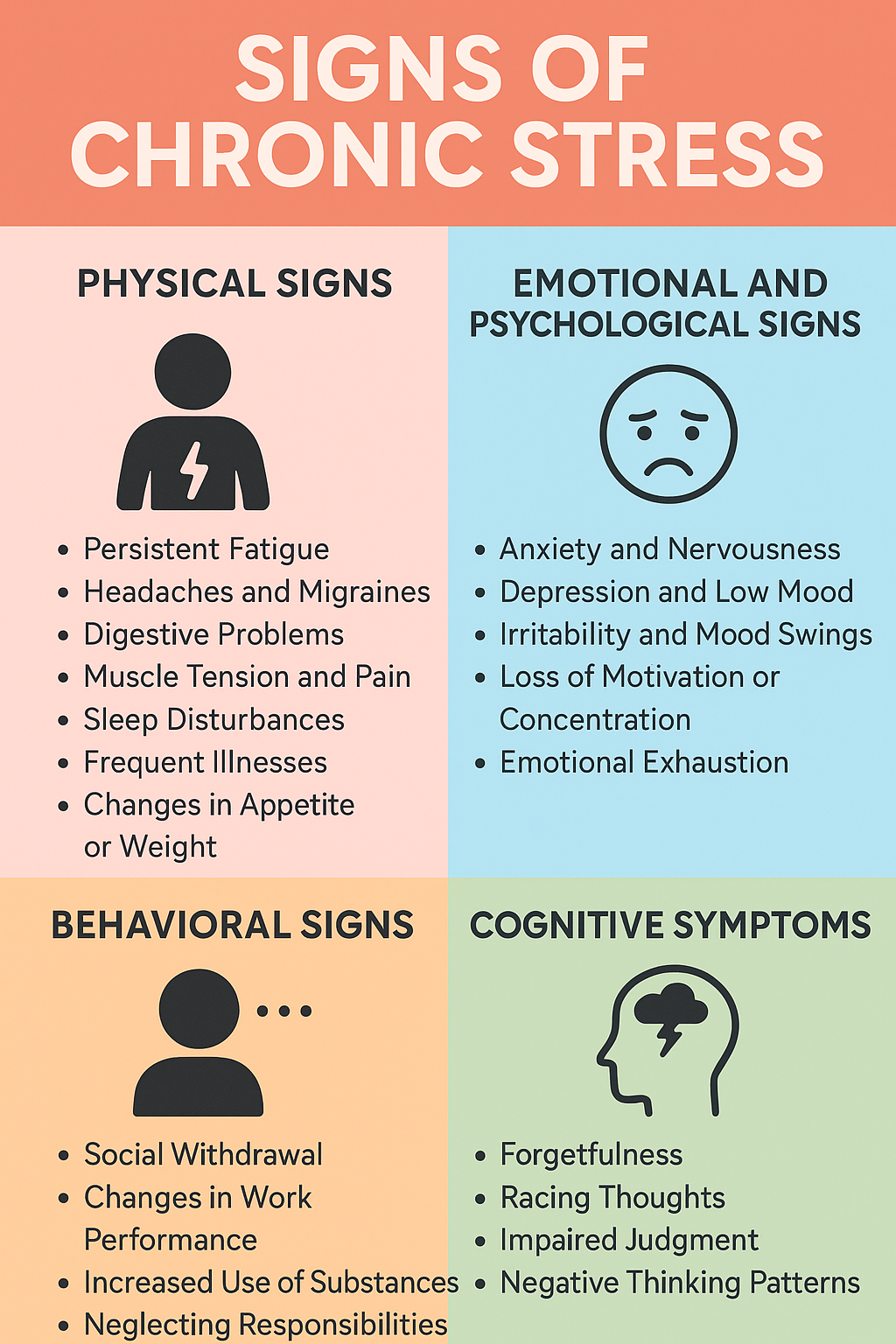
Many individuals invest years in conventional talk treatment reviewing their childhood years, analyzing their patterns, and acquiring intellectual understandings without experiencing meaningful change. This takes place since intergenerational injury isn't kept mostly in our ideas-- it stays in our bodies. Your muscular tissues bear in mind the stress of never being quite good enough. Your gastrointestinal system carries the stress and anxiety of overlooked household expectations. Your heart price spikes when you expect unsatisfactory a person essential.
Cognitive understanding alone can not release what's held in your worried system. You might recognize intellectually that you should have rest, that your well worth isn't linked to efficiency, or that your parents' criticism originated from their own pain-- yet your body still responds with stress and anxiety, pity, or fatigue.
Somatic Treatment: Reconnecting Body And Mind
Somatic therapy approaches injury with the body as opposed to bypassing it. This restorative strategy recognizes that your physical sensations, motions, and anxious system actions hold crucial details regarding unsolved injury. Rather than just discussing what occurred, somatic therapy helps you notice what's happening inside your body today.
A somatic therapist might assist you to see where you hold tension when going over family members expectations. They could assist you explore the physical experience of stress and anxiety that occurs before important presentations. Via body-based methods like breathwork, mild motion, or basing workouts, you start to manage your nerves in real-time instead of just comprehending why it's dysregulated.
For Asian-American customers, somatic therapy provides certain benefits since it doesn't need you to vocally refine experiences that your culture might have educated you to keep personal. You can heal without needing to verbalize every detail of your household's discomfort or immigration tale. The body talks its very own language, and somatic job honors that communication.
EMDR: Reprocessing Injury at the Resource
Eye Motion Desensitization and Reprocessing (EMDR) represents another powerful technique to healing intergenerational injury. This evidence-based therapy utilizes bilateral stimulation-- usually directed eye movements-- to aid your mind recycle traumatic memories and acquired anxiety feedbacks. Unlike conventional treatment that can take years to create outcomes, EMDR commonly produces considerable shifts in fairly couple of sessions.

EMDR works by accessing the way trauma gets "" stuck"" in your nervous system. When you experienced or soaked up intergenerational pain, your mind's normal processing devices were bewildered. These unrefined experiences continue to cause contemporary reactions that feel out of proportion to existing situations. Through EMDR, you can finally complete that processing, enabling your anxious system to launch what it's been holding.
Research study reveals EMDR's performance extends beyond personal injury to acquired patterns. When you process your own experiences of objection, stress, or emotional disregard, you all at once begin to disentangle the generational threads that produced those patterns. Several customers report that after EMDR, they can lastly set boundaries with relative without debilitating guilt, or they discover their perfectionism softening without mindful initiative.
The Perfectionism-Burnout Cycle
Perfectionism and exhaustion form a ferocious cycle specifically common amongst those carrying intergenerational trauma. The perfectionism frequently originates from an unconscious idea that flawlessness could ultimately gain you the genuine approval that really felt missing in your family of origin. You function harder, accomplish more, and raise the bar once more-- wishing that the following achievement will certainly peaceful the inner guide saying you're insufficient.
Perfectionism is unsustainable by design. It leads inevitably to fatigue: that state of emotional fatigue, cynicism, and reduced efficiency that no quantity of trip time seems to heal. The fatigue after that activates shame concerning not being able to "" handle"" everything, which gas a lot more perfectionism in an effort to confirm your well worth. Round and round it goes.
Damaging this cycle requires dealing with the trauma underneath-- the internalized messages regarding conditional love, the acquired hypervigilance, and the nerves patterns that equate rest with threat. Both somatic therapy and EMDR succeed at interrupting these deep patterns, permitting you to lastly experience your intrinsic value without having to gain it.
Partnership Conflicts as Injury Reenactment
Intergenerational trauma doesn't remain included within your private experience-- it inevitably appears in your partnerships. You could discover yourself drew in to companions who are emotionally not available (like a moms and dad who couldn't reveal affection), or you could become the pursuer, attempting seriously to get others to satisfy needs that were never fulfilled in childhood years.
These patterns aren't aware selections. Your nerves is trying to master old wounds by recreating comparable dynamics, expecting a various result. However, this normally indicates you wind up experiencing acquainted pain in your grown-up connections: sensation hidden, dealing with regarding that's best instead of seeking understanding, or turning in between nervous attachment and psychological withdrawal.
Treatment that deals with intergenerational injury helps you recognize these reenactments as they're happening. It gives you devices to develop different feedbacks. When you heal the initial injuries, you stop unconsciously seeking companions or creating dynamics that replay your family members background. Your partnerships can become spaces of authentic link rather than injury repetition.
Finding Culturally-Informed Assistance
Oakland, CAFor Asian-American people, working with therapists who recognize social context makes a significant difference. A culturally-informed therapist identifies that your partnership with your moms and dads isn't merely "" snared""-- it shows cultural values around filial piety and household cohesion. They understand that your reluctance to share emotions does not suggest resistance to therapy, but mirrors social standards around psychological restriction and preserving one's honor.
Specialists specializing in Asian-American experiences can help you browse the distinct stress of honoring your heritage while likewise healing from aspects of that heritage that trigger discomfort. They recognize the stress of being the "" successful"" youngster that raises the entire household, the intricacy of intergenerational sacrifice, and the particular manner ins which bigotry and discrimination substance family members injury.
Beginning Your Recovery Trip
Recovering intergenerational trauma isn't concerning condemning your parents or denying your cultural background. It has to do with finally taking down worries that were never your own to lug in the initial area. It has to do with enabling your nerves to experience safety and security, so perfectionism can soften and burnout can heal. It's about creating relationships based upon authentic link rather than injury patterns.
Disconnection & Dissociation TherapyWhether via somatic treatment, EMDR, or an integrated technique, healing is possible. The patterns that have gone through your family for generations can quit with you-- not through self-control or even more success, yet through caring, body-based handling of what's been held for as well long. Your kids, if you have them, will not acquire the hypervigilance you lug. Your partnerships can end up being resources of real nutrition. And you can lastly experience rest without guilt.
The work isn't simple, and it isn't fast. It is possible, and it is profound. Your body has been awaiting the possibility to finally release what it's held. All it needs is the right assistance to begin.

Table of Contents
- – The Hidden Weight of Inherited Discomfort
- – Why Conventional Talk Therapy In Some Cases Fa...
- – Somatic Treatment: Reconnecting Body And Mind
- – EMDR: Reprocessing Injury at the Resource
- – The Perfectionism-Burnout Cycle
- – Partnership Conflicts as Injury Reenactment
- – Finding Culturally-Informed Assistance
- – Beginning Your Recovery Trip
Latest Posts
Support helping Caregivers Supporting Someone with Anxiety
Recognizing Intergenerational Injury: A Path to Healing With Somatic Treatment and EMDR
The Difference Between Controlled Eating and Eating Disorders Addressed Through Trauma-Informed Therapy
More
Latest Posts
Support helping Caregivers Supporting Someone with Anxiety
Recognizing Intergenerational Injury: A Path to Healing With Somatic Treatment and EMDR
The Difference Between Controlled Eating and Eating Disorders Addressed Through Trauma-Informed Therapy